







Time Management Techniques: A Complete Guide for 2026
Time management isn’t new; but in 2026, it’s never been harder.
Work no longer fits into clean schedules or fixed locations. In the era of time tracking software, work stretches across time zones, tools, notifications, and shifting priorities. Remote and hybrid setups blur personal and professional boundaries, AI constantly competes for attention, and meeting-heavy calendars leave little room for real focus.
The result isn’t a lack of effort or tools, it’s fragmented time, interrupted attention, and days that feel busy without real progress.
This guide focuses on practical time management for 2026, helping professionals and teams move beyond simply tracking time to using it intentionally, prioritizing energy, focus, and sustainable productivity.
What Is Time Management?
Time management in 2026 is no longer about rigid schedules or squeezing more tasks into a day. At its core, it’s the ability to make intentional decisions about how your time, focus, and energy are used.
Definition of time management
Modern time management is the practice of aligning your daily actions with your highest priorities, while minimizing workplace distractions, inefficiencies, and unnecessary work. It’s less about controlling time itself (which no one can do) and more about controlling how you respond to demands on your attention.
Effective time management today means knowing what deserves your focus, when it deserves it, and what can be delayed, delegated, or eliminated altogether.
Time management is a skill, not a personality trait
One of the biggest myths around team time management is that some people are simply “good at it” while others aren’t. In reality, time management is a learned skill shaped by habits, systems, and environment, not personality.
Anyone can improve their ability to manage time by adopting the right frameworks, setting boundaries, and building consistent routines. The difference between struggling and succeeding often comes down to having clarity and structure, not discipline alone.
How effective time management supports productivity, focus, and work-life balance
When time is managed intentionally, productivity improves naturally. Tasks get completed with better focus, fewer mistakes, and less last-minute pressure. Clear priorities reduce mental clutter, making it easier to stay present and engaged.
Just as importantly, strong time management protects work-life balance. By setting limits on work hours, reducing unnecessary tasks, and planning rest as deliberately as work, individuals can sustain performance without burning out. In 2026, true productivity isn’t about doing more, it’s about working smarter and living better.
Why Is Time Management Important in 2026?
The cost of poor time management has grown significantly in today’s work environment. What once caused minor inefficiencies now leads to chronic stress, disengagement, and inconsistent performance.
The impact of poor time management on stress and burnout
When time isn’t managed well, work tends to spill into evenings and weekends. Deadlines feel constant, priorities remain unclear, and individuals stay in a reactive mode, always responding, rarely planning. Over time, this leads to mental fatigue, frustration, and employee burnout.
In 2026, burnout isn’t just caused by long hours, it’s caused by unmanaged attention, constant context switching, and the feeling of never being fully “off.”
Benefits for individuals, managers, and teams
For individuals, effective time management creates clarity, confidence, and a sense of control over the workday. For managers, it improves planning, delegation, and performance visibility. Teams benefit from fewer delays, better coordination, and more predictable outcomes.
When everyone manages time intentionally, collaboration becomes smoother and expectations clearer, reducing friction and unnecessary follow-ups.
How time management directly affects output quality and consistency
Quality work requires focus, and focus requires protected time. Without proper time management, work becomes rushed, fragmented, and error-prone. Consistent systems for planning and prioritization ensure that important tasks receive the attention they deserve.
In 2026, organizations that master time management don’t just work faster, they deliver better results, more consistently, without exhausting their people.
Time Management Methods vs Techniques
Understanding the difference between time management methods and techniques is essential before trying to improve how you work. Many people fail at time management not because they lack effort, but because they confuse structure with action.
The Difference Between Time Management Methods and Techniques
| Aspect | Time Management Methods | Time Management Techniques |
|---|---|---|
| Definition | High-level frameworks that define how work and time are organized | Practical actions used to manage time within a framework |
| Purpose | Provide overall structure and direction for managing work | Drive day-to-day execution and behavior |
| Scope | Broad and strategic | Tactical and task-focused |
| Nature | Conceptual systems or philosophies | Repeatable, actionable steps |
| Examples | Planning systems, work frameworks | Time blocking, Pomodoro, batching |
Why methods provide structure and techniques drive execution
Methods give clarity and consistency. They help you decide what matters, how work should flow, and how decisions are made. Without a method, techniques often feel scattered and unsustainable.
Techniques are what turn plans into results. Even the best method fails if it isn’t supported by practical techniques that fit real workdays. Execution depends on small, consistent actions repeated over time.
Effective time management in 2026 requires both a clear method to reduce decision fatigue and the right techniques to maintain momentum.
How to choose the right combination based on work style and role
| Role | Typical Work Style | Right Methods & Techniques |
|---|---|---|
| Managers | Meeting-heavy and decision-driven | Planning systems + time blocking |
| Knowledge Workers | Deep thinking and analysis | Prioritization + focus techniques |
| Individual Contributors | Execution-oriented | Pomodoro + task batching |
| Creatives | Non-linear workflows | Flexible planning + focus blocks |
| Remote / Hybrid Teams | Asynchronous work | Visibility-based planning + distraction control |
What Are Time Management Techniques?
Time management techniques are the practical tools that make intentional use of time possible in day-to-day work. They translate abstract plans into consistent action.
Time management techniques as practical, repeatable actions
Unlike broad productivity philosophies, techniques are specific behaviors you can repeat daily or weekly. They include actions like setting clear task priorities, defining start and stop times for work, grouping similar tasks, or reviewing progress regularly.
What makes a technique effective is its repeatability. When a technique becomes a habit, it reduces the mental effort required to stay organized and focused.
Common problems these techniques are designed to solve
Most time management techniques address recurring workplace challenges: procrastination, constant interruptions, unclear priorities, overcommitment, and unfinished tasks. They help reduce context switching, prevent last-minute rushes, and create a sense of control over the workday.
In modern work environments, these problems are amplified by digital distractions and overlapping responsibilities, making techniques more necessary than ever.
Why modern workflows require updated techniques
Traditional techniques were designed for predictable schedules and linear workflows. In 2026, work is dynamic, collaborative, and often asynchronous. Tasks shift quickly, priorities change, and communication happens across multiple channels.
Modern time management techniques focus more on managing attention, protecting focus, and adapting plans in real time. They acknowledge that flexibility, not rigidity, is what enables sustainable productivity today.
How Many Time Management Techniques Are There?
There is no fixed number of time management techniques, and that’s intentional. New tools, work styles, and challenges constantly give rise to new approaches.
Why is there no fixed number for time management techniques?
Time management techniques evolve with the way people work. What worked in a traditional office setting may not work in a remote or hybrid environment. As workflows change, techniques adapt to address new distractions, tools, and expectations.
Rather than memorizing dozens of techniques, the focus should be on understanding categories and choosing what fits your needs.
Core categories of time management techniques
Prioritization Techniques
Help identify what truly matters and what can wait. They reduce overwhelm by clarifying task importance and urgency before action begins.
Scheduling and Planning
Organize work across days and weeks effectively. They support realistic time allocation and prevent calendars from becoming overloaded.
Focus and Concentration
Protect attention in distraction-heavy work environments. They enable deeper work by minimizing interruptions and context switching.
Workflow and Task Management
Simplify how work moves to completion. They improve visibility, reduce bottlenecks, and prevent tasks from being missed.
Why mastering fewer techniques delivers better results
Trying to use too many techniques at once often leads to inconsistency and frustration. Productivity improves fastest when a small set of techniques is applied consistently.
Mastery comes from repetition, not variety. In 2026, the most effective professionals are not the ones using the most tools, but the ones who have refined a few techniques that reliably support their work style and responsibilities.
Proven Time Management Techniques That Actually Work
The most effective time management techniques in 2026 share one common trait: they help you protect focus while working within modern, distraction-heavy environments. Below are proven techniques that continue to deliver results when applied correctly and consistently.
Time Blocking
Time blocking involves structuring your day by assigning specific blocks of time to specific types of work, often using a custom calendar maker to map out those blocks clearly. Instead of keeping an open-ended to-do list, you reserve time on your calendar for focused work, meetings, administrative tasks, and breaks.
This technique works because it turns priorities into commitments. When time is blocked, important tasks are less likely to be pushed aside by urgent but low-value work.
Best use cases: Time blocking is especially effective for deep work, strategic thinking, creative tasks, and complex problem-solving. It’s also useful for managers who need to balance meetings with individual focus time.
Common mistakes: Overplanning is the most frequent issue. Blocking every minute without flexibility can lead to frustration when tasks run longer than expected. Successful time blocking always includes buffer time and realistic expectations.
Pomodoro Technique
The Pomodoro Technique uses short, timed work sessions, typically 25 minutes, followed by brief breaks. The goal is to maintain high focus for short periods while preventing mental fatigue.
By working against a timer, the technique creates a sense of urgency that reduces procrastination and helps sustain attention.
Best use cases: Pomodoro works best for tasks that feel overwhelming, repetitive, or mentally draining. It is especially helpful for starting tasks you’ve been avoiding, studying, routine documentation, or clearing backlogs where momentum matters more than depth.
Common mistakes: Using Pomodoro for deep, creative, or strategic work can be counterproductive. Strictly interrupting yourself mid-flow, ignoring natural energy levels, or treating the timer as pressure rather than support often reduces its effectiveness.
Eisenhower Matrix
The Eisenhower Matrix helps prioritize tasks based on urgency and importance. Tasks are categorized into four groups: urgent and important, important but not urgent, urgent but not important, and neither.
This framework shifts focus away from constant urgency and toward long-term value.
Best use cases: The matrix is highly effective for managers, team leads, and planners who need clarity on priorities. It works well during weekly planning, workload reviews, and when deciding what deserves attention versus delegation.
Common mistakes: A frequent mistake is labeling too many tasks as urgent and important, which defeats the purpose of prioritization. Another issue is failing to act on the matrix, especially neglecting important but not urgent tasks, which often drive long-term success.
Task Batching
Task batching involves grouping similar tasks together and completing them in one focused session. This reduces the mental cost of constantly switching between different types of work.
Each context switch drains attention. Batching minimizes that drain.
Best use cases: Task batching is ideal for communication tasks like emails, messages, follow-ups, approvals, reporting, data entry, and other repetitive or low-variation work.
Common mistakes: Batching unrelated tasks together or batching for too long can cause fatigue. Another mistake is batching communication without clear boundaries, leading to delayed responses or missed urgent messages.
Getting Things Done (GTD)
Getting Things Done (GTD) is a system for capturing all tasks, organizing them into clear categories, and executing them based on context and priority. The core idea is simple: your mind is for thinking, not remembering.
By externalizing tasks into a trusted system, GTD reduces mental clutter and stress.
Best use cases: GTD works best for professionals managing high volumes of tasks, inputs, and responsibilities. It is especially effective for managers, operations roles, and anyone juggling multiple projects simultaneously.
Common mistakes: Overcomplicating the system is the most common failure. Using too many lists, skipping regular reviews, or capturing tasks without clarifying next actions often causes GTD to collapse under its own weight.
The 80/20 Rule (Pareto Principle)
The 80/20 Rule suggests that a small percentage of efforts often produce a majority of results. Applied to time management, it encourages identifying high-impact tasks that truly move work forward.
Best use cases: The 80/20 Rule is most effective for goal setting, weekly planning, performance reviews, and strategic decision-making. It helps individuals and teams focus on outcomes rather than activity.
Common mistakes: Oversimplifying the rule is a common pitfall. Not every task can be reduced to impact ratios, and ignoring necessary low-impact work can create operational issues. The principle works best as a lens for prioritization, not an excuse to avoid responsibility.
In 2026, effective time management isn’t about doing everything, it’s about doing the right things consistently.
Time Management Tips You Can Apply Immediately
Organize Tasks Daily
Start each day with a clear list of priorities. Break down larger tasks into smaller, actionable steps and focus on completing them one by one. This reduces overwhelm and gives a sense of progress throughout the day.
Plan Weekly and Monthly
Review your upcoming week or month to anticipate deadlines and schedule important tasks. By setting aside time for planning, you avoid last-minute rushes and can allocate effort to high-priority projects.
Batch Similar Tasks
Group similar activities, like emails, calls, or reporting, and complete them in dedicated blocks. This minimizes constant switching between tasks and helps maintain a steady focus.
Eliminate Distractions
Identify what distracts you most; social media, notifications, or unimportant meetings and take steps to reduce interruptions. Even small changes, like muting notifications, can drastically improve focus.
How to Manage Your Time Better at Work?
Control Meetings and Interruptions
Not every meeting requires your presence. Decline or delegate non-essential meetings and schedule uninterrupted work blocks. This ensures you have dedicated time for focused, high-value tasks.
Prioritize High-Impact Work
Use frameworks like the Eisenhower Matrix to separate urgent from important tasks. Focus on activities that drive results rather than reacting to every small demand.
Balance Collaboration and Deep Work
While collaboration is essential, deep work drives tangible results. Set boundaries by communicating your availability to teammates and allocate specific time slots for focused work.
Manage Notifications Effectively
Constant alerts can fragment attention. Customize notification settings and check messages at fixed intervals instead of reacting immediately, preserving concentration for critical work.
Time Management for Remote and Hybrid Workers
Establish Clear Work Hours
Remote work blurs boundaries between personal and professional life. Define your working hours and communicate them to your team to prevent overwork and ensure consistent productivity.
Use Time-Blocking Techniques
Schedule blocks of focused work with built-in breaks. This helps maintain momentum and prevents fatigue, making it easier to complete tasks efficiently without distractions.
Set Boundaries Between Work and Personal Life
Create a dedicated workspace and avoid multitasking household chores during work hours. Separating work from personal life reduces stress and supports sustained focus.
Regular Check-ins for Accountability
Frequent team check-ins ensure alignment and help maintain engagement. They also provide opportunities to adjust priorities and address blockers before they affect productivity.
Productivity Tools That Support Better Time Management
Time-Tracking Apps
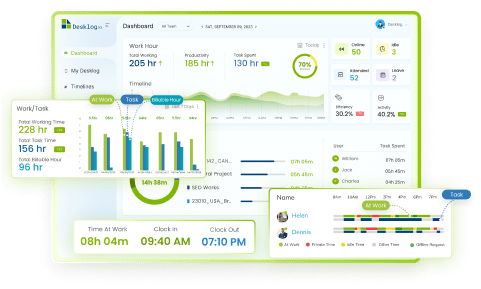
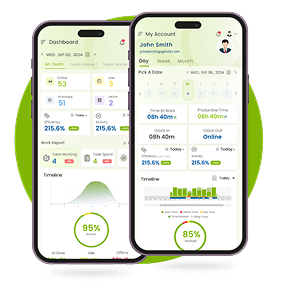
Time-tracking apps help individuals and teams understand how work hours are actually spent. Modern time-tracking tools like Desklog automatically record work across apps, websites, and tasks.
- Automatic time tracking helps capture work hours accurately without relying on manual timers.
- App & URL tracking shows where time is spent, helping teams reduce distractions and stay focused.
- Idle-time tracking highlights inactive periods, making it easier to spot workflow gaps.
- Offline time tracking ensures work is recorded even without an internet connection.
- Clock-in & clock-out supports consistent work routines and accurate attendance records.
Project Management Software
Project management software helps organize tasks, deadlines, and workflows to keep work moving forward. Tools like Desklog connect task planning with time visibility.
- Project time tracking links effort directly to tasks, improving deadline planning and accountability.
- Kanban views provide a visual overview of task progress, helping teams prioritize effectively.
Analytics for Continuous Improvement
Productivity analytics tools turn activity data into insights that support better decision-making. Platforms like Desklog transform work data into actionable patterns.
- Productivity reports reveal how time is distributed across tasks and projects.
- Attendance insights help monitor consistency and identify availability issues.
- Performance insights highlight productivity trends, bottlenecks, and improvement areas.
Common Time Management Mistakes to Avoid
Multitasking Myths
Switching between tasks can seem efficient but often reduces productivity. Focus on one task at a time to achieve better quality and faster results.
Overplanning Without Execution
Planning is essential, but excessive planning without action wastes time. Balance strategizing with consistent execution for meaningful progress.
Tool Overload Without a System
Relying on too many apps can create confusion rather than work efficiency. Choose a few tools that integrate well into your workflow and use them consistently.
Ignoring Rest and Recovery
Overworking without breaks leads to burnout and reduced productivity. Scheduling downtime and short breaks enhances focus and overall output.
Conclusion
Time management is most effective when it becomes a habit rather than a chore. By starting with small, practical changes, using tools wisely, and avoiding common mistakes, you can boost productivity, reduce stress, and create sustainable work routines. Consistency and intentional effort are the keys to turning time into a powerful asset.


obviously like your web-site but you have to check the spelling on sevral of your posts.
Several of them aare rife with spelling problems and I find
it very bothersome to inform the truth on the other hand
I will certainly come back again.
Hello there! I could have sworn I’ve visited this web site before but
after going through a few of the posts I realized it’s new to me.
Regardless, I’m definitely pleased I came across it
and I’ll be book-marking it and checking back regularly!
This blog was… how do I say it? Relevant!!
Finally I have found something which helped me.
Appreciate it!