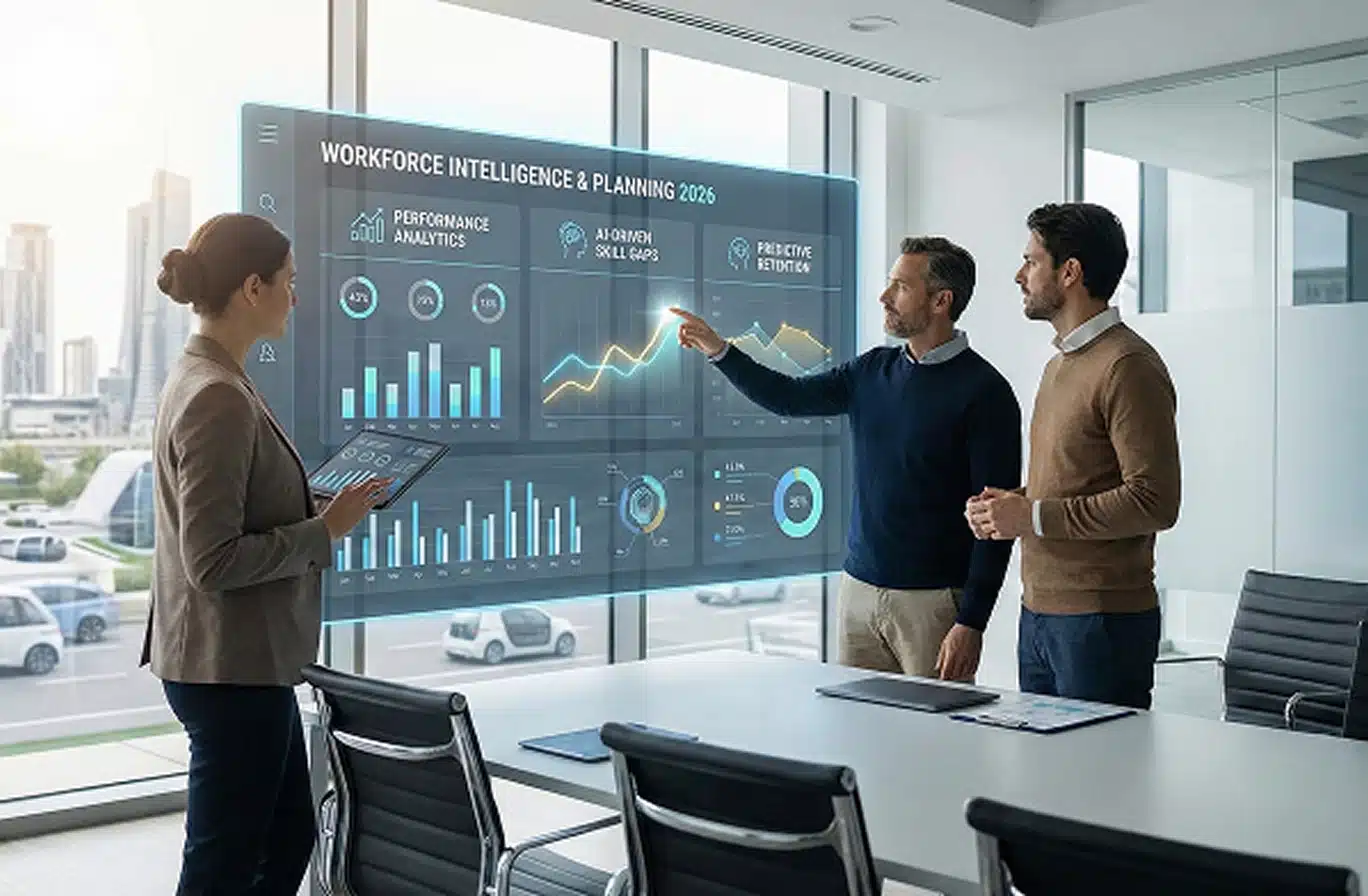
How Can Employee Performance Analytics Improve Workforce Intelligence & Planning in 2026?

Modern workforces are increasingly hybrid, distributed, and difficult to evaluate using traditional methods. As visibility into daily work fades, organizations face inefficiencies, rising burnout, and workforce planning decisions based on assumptions rather than evidence.
Employee performance tracking software powered by employee performance analytics offers a way forward. It brings clarity to how work actually gets done, enabling smarter workforce intelligence and more accurate planning in 2026.
This blog explains what employee performance analytics is, why it matters now, the trends shaping its future, how it supports workforce intelligence and planning, and how modern tools make it practical to apply at scale.
In this guide, we'll explore:
- • What Is Employee Performance Analytics?
- • Definition for 2026 Work Culture
- • From Individual Output to System-Level Performance
- • How Work Signals Replace Manual Reporting
- • Making Hybrid Work Visible Without Micromanagement
- • Key Performance Indicators for 2026
- • How Analytics Improves Workforce Intelligence
- • Role of Modern Workforce Tools
What Is Employee Performance Analytics?
Employee performance analytics is the use of real-time work data to understand how employees perform their tasks and how work flows across teams.
In 2026, it plays a central role in workforce intelligence and planning by giving HR and leaders visibility into productivity, project progress, attendance, workload, and wellbeing, enabling data-driven decisions, smarter resource planning, and healthier work environments.
Employee Performance Analytics - Definition for 2026 Work Culture
In 2026, Employee Performance Analytics shifts the focus from measuring individual output to understanding how work flows across teams, tools, and time. It continuously analyzes work patterns and capacity signals to explain why performance outcomes occur, not just what the results are.
From Individual Output to System-Level Performance
Performance in modern organizations is no longer shaped by individual effort alone. In hybrid, knowledge-driven environments, outcomes are influenced by collaboration intensity, meeting load, task switching, tool usage, and recovery time between high-effort periods.
Employee performance analytics connects these factors, showing how individual effort interacts with team dynamics and work systems to produce results.
How Work Signals Replace Manual Reporting
As performance becomes more complex, the way it is measured has also evolved. By 2026, employee performance analytics relies on automated, low-friction work signals rather than manual updates or self-reported timesheets.
These signals come from everyday activity, how time is distributed across tasks and applications, how projects progress, and how availability patterns shift, creating a more accurate and unbiased picture of real work behavior.
Making Hybrid Work Visible Without Micromanagement
This shift is especially critical in hybrid work environments, where physical presence and informal check-ins no longer provide reliable visibility. Employee performance analytics restores that lost clarity by revealing execution patterns without enforcing rigid schedules or intrusive oversight. Leaders gain insight into workload and capacity, while employees retain autonomy over how they work.
Shifting Performance Management from Retrospective to Real Time
Traditional performance evaluation looks backward, often weeks or months after work is completed. Employee performance analytics operates in near real time, allowing organizations to spot bottlenecks as they form, identify overload before burnout escalates, and adjust plans while work is still in progress. This transforms performance management from a reactive exercise into a proactive planning discipline.
Adding Context to Performance Reviews and Conversations
Most importantly, employee performance analytics changes how performance is discussed. Conventional reviews focus on outcomes and behaviors without context. Analytics adds that missing layer by explaining the conditions under which performance occurs, workload pressure, interruptions, collaboration demands, and system constraints. The result is fairer evaluations, more meaningful conversations, and a stronger focus on improvement rather than blame.
From "Tracking Time" to "Understanding Work": The Shift in Performance Analytics
For years, performance measurement relied on tracking hours as a proxy for productivity. While suitable for traditional offices, it fails to explain how modern, collaborative work actually happens. As work became more fluid and interdependent, time tracking showed duration; but not execution, leading to the rise of employee performance analytics.
Why Time Tracking Wasn't Enough
Time data lacks context. It doesn't explain delays, focus loss, or workload imbalance. Two employees can log similar hours and still experience completely different execution realities. Without understanding these conditions, performance assessments remain incomplete.
Understanding Work, Not Just Hours
Modern performance analytics connect time with activity patterns, project progress, and availability signals. Tools like Desklog help translate raw time data into insights about work flow, collaboration pressure, and capacity, making performance visible without relying on manual reporting.
A Smarter Way to Manage Performance
By 2026, the shift is clear: performance analytics is no longer about monitoring effort, but about understanding execution. It helps organizations identify friction early, plan workloads realistically, and support sustainable performance, turning measurement into meaningful workforce intelligence.
What Are the 5 Key Performance Indicators for Employee Performance Analytics?

1. Productivity & Execution Metrics
How effectively work is executed, not just how long it takes.
In the 2026 model, productivity is measured through execution patterns rather than raw hours. Desklog's automated time tracking captures how time is spent across productive, non-productive, and offline activities, without manual input. This enables clear analysis of output trends, focus time vs working time, and context switching frequency through application and task usage data. By visualizing utilization and task bandwidth, Desklog helps managers see whether employees are focused, fragmented, or overloaded, making productivity measurable without intrusive monitoring.
2. Project & Delivery Metrics
How work moves from planning to completion.
Performance analytics must connect individual effort to project outcomes. Desklog's project time tracking, task assignment, deadlines, and kanban-style visibility allow teams to monitor project progress and status in real time. With built-in tracking of billable vs non-billable hours, Desklog clarifies where effort generates revenue versus internal cost. Timeline drift and cost overruns become visible early through task-level duration tracking, allowing course correction before delivery risks escalate.
3. Attendance & Workforce Availability Metrics
Understanding real availability, not just clock-ins.
In hybrid environments, attendance is about presence patterns, not physical visibility. Desklog's automated attendance management records clock-ins/clock-outs, idle time, private time, and offline work, creating accurate presence patterns without micromanagement. It also supports shift scheduling across distributed teams and highlights absenteeism signals through recurring inactivity or unexpected availability gaps, helping leaders plan capacity with confidence.
4. Workload & Wellbeing Signals
Early indicators of sustainability and burnout risk.
Performance in 2026 is inseparable from wellbeing. Desklog's wellness module and workload analytics detect overwork patterns, prolonged work hours, and reduced recovery time. These insights surface burnout risk indicators before performance drops. By analyzing work-life balance patterns, such as frequent after-hours work or insufficient breaks, Desklog enables proactive intervention, supporting long-term performance rather than short-term output.
5. Financial & Performance Intelligence Metrics
Linking effort, cost, and profitability.
Employee performance analytics must connect work to financial outcomes. Desklog's automated timesheets, project billing & invoicing, and profit & loss tracking transform work data into actionable financial insight. Managers can assess project profitability, validate invoices with transparent time data, and use Desklog insights to make smarter pricing, staffing, and planning decisions, something traditional monitoring tools fail to deliver.
Unlike rigid tracking tools, Desklog combines automation, privacy-first design, offline tracking, and built-in financial intelligence into a single system. This makes it not just a Hubstaff alternative, but a complete employee performance analytics platform designed for modern, hybrid work.
Take Control of Your Team's Productivity!
Stop guessing and start planning with real-time insights from Desklog.
How Analytics Improves Workforce Intelligence & Planning?
Employee performance analytics turns raw work data into actionable workforce intelligence. Instead of relying on assumptions or lagging indicators, organizations gain a real-time, evidence-based view of how people, projects, and capacity align. This directly strengthens planning, execution, and long-term workforce health.
Better Resource Allocation
Analytics reveals where effort is concentrated and where capacity is underused. By identifying workload imbalance across teams and roles, leaders can redistribute work more effectively, reducing employee overload while ensuring available talent is fully utilized. This leads to smoother execution and fewer last-minute staffing gaps.
More Accurate Forecasting
Workforce planning becomes more reliable when decisions are based on actual work patterns. Performance analytics supports clearer forecasting for budgets, project timelines, and capacity needs by showing historical execution trends and current utilization levels. This minimizes surprises and improves confidence in planning decisions.
Higher Transparency & Accountability
When performance data is visible and consistent, subjective judgment fades. Analytics creates a shared understanding of expectations, progress, and constraints across teams, improving accountability without micromanagement and aligning stakeholders around the same facts.
Healthier Work Culture
By tracking workload intensity, recovery time, and sustained overwork patterns, analytics supports early intervention before employee burnout impacts performance. This enables organizations to protect employee wellbeing while maintaining productivity, creating a more sustainable and trust-driven work culture.
Fewer Execution Risks
Real-time insights allow leaders to detect early warning signs such as stalled tasks, declining focus, or sudden drops in availability. Addressing these signals early reduces delivery risks, prevents cascading delays, and keeps plans on track.
Together, these benefits transform performance data tracking into workforce intelligence, making planning more predictive, people-focused, and resilient in 2026.
2026 Trends Shaping the Future of Employee Performance Analytics
As organizations adapt to hybrid and knowledge-driven work, employee performance analytics is evolving rapidly. Several trends are shaping how businesses will measure, interpret, and act on workforce data in 2026.
- AI-Assisted Workforce Decisioning: Artificial intelligence is becoming integral to analyzing work patterns. AI can detect inefficiencies, predict workload bottlenecks, and recommend optimal resource allocation, helping leaders make faster, data-driven decisions without manually sifting through reports.
- Shift from Hours to Outcomes and Wellbeing: The focus is moving beyond hours worked to actual output, quality, and employee wellbeing. Modern analytics combines productivity, workload, and wellness signals to ensure sustainable performance rather than simply tracking effort.
- Managerial Enablement via Data: Performance analytics empowers managers with actionable insights. Leaders can identify skill gaps, coach employees more effectively, and balance workloads in real time, moving performance management from reactive evaluation to proactive support.
- Integrated Workforce Intelligence Platforms: Tools like Desklog are enabling a single source of truth for performance data. By connecting time tracking, project progress, attendance, and wellbeing signals, organizations can make smarter planning and operational decisions while maintaining transparency and privacy.
- Hybrid Work Normalization: With remote and hybrid work now standard, analytics must capture distributed work patterns accurately. Real-time dashboards, automated time capture, and offline tracking allow organizations to understand team performance without enforcing rigid schedules.
- Compliance and Transparency Expectations: Employees and regulators increasingly demand privacy-friendly, transparent monitoring. Analytics solutions in 2026 balance visibility with consent, optional screenshots, and secure data handling, ensuring insights are ethical and legally compliant.
These trends are driving a shift from basic tracking to holistic workforce intelligence, where performance analytics informs strategy, supports wellbeing, and guides planning in dynamic, hybrid environments.
How HR, Founders & Workforce Leaders Use Performance Analytics in Practice
Employee performance analytics is only valuable when applied to real-world decision-making. In 2026, HR leaders, founders, and managers use insights not just to evaluate work, but to plan, optimize, and support teams more effectively.
For HR Leaders – Smarter Talent and Wellbeing Decisions
HR teams use analytics to spot patterns in attendance, workload, and employee engagement. Insights from platforms like Desklog highlight overwork risks,absenteeism trends, and skill gaps, enabling HR to plan recruitment, improve retention, and support employee wellbeing proactively.
For Founders & CEOs – Operational Clarity and ROI
Leaders need to know whether resources are deployed efficiently. Analytics shows how team capacity aligns with project demands, tracks billable versus non-billable hours, and uncovers inefficiencies. Tools like Desklog also tie time and task data to project profitability, helping founders make informed financial and strategic decisions.
For Team Leads & Managers – Balanced Workloads and Coaching
Frontline managers rely on performance analytics to balance team workloads, track task progress, and guide coaching conversations. Real-time insights into focus time, context switching, and project completion enable managers to remove bottlenecks, prevent burnout, and support continuous improvement.
For Operations Teams – Optimized Resource Planning
Operations teams use analytics to forecast capacity, allocate talent to high-priority projects, and identify execution risks early. By integrating data across tasks, projects, and availability, especially through tools like Desklog, organizations can plan smarter, reduce delays, and maintain consistent delivery standards.
By turning work patterns into actionable insights, employee performance analytics empowers every level of leadership to make data-driven, people-centered decisions that enhance productivity, wellbeing, and strategic planning.
Role of Modern Workforce Tools
In 2026, raw performance data alone isn't enough, organizations need modern workforce tools to transform insights into actionable intelligence. These platforms automate data capture, visualize work patterns, and connect productivity, attendance, and project metrics in real time.
Automated Data Capture
Tools like Desklog track work automatically, time spent on tasks, apps, and offline activity, removing manual reporting and errors.

Project & Task Visibility
Real-time dashboards show project progress, deadlines, and bottlenecks, helping managers monitor execution without micromanaging.

Attendance & Hybrid Support
Platforms track shift adherence, presence patterns, and offline work, giving visibility for remote and hybrid teams.
Wellbeing & Workload Insights
Analytics detect overwork, focus loss, and burnout risk, enabling proactive workload management and healthier work culture.
Financial & Planning Intelligence
Automated timesheets, project billing, and profit tracking connect performance to financial outcomes, supporting better staffing, scheduling, and budgeting decisions.
Actionable Workforce Intelligence
By combining all these signals, modern tools transform raw data into insights that drive smarter planning, accountability, and predictable outcomes.
Turn Performance Data into Smart Decisions!
See exactly how work, wellbeing, and profitability connect, make every decision count.
In Summary
Employee Performance Analytics transforms raw work data into actionable workforce intelligence, enabling organizations to make smarter plans, balance workloads, and support employee wellbeing proactively. By connecting insights across productivity, projects, attendance, and capacity, it helps create more predictable, efficient, and healthier organizational performance in 2026.
FAQs
1What is employee performance analytics?
It's the use of real-time work data to measure, evaluate, and understand employee performance and work patterns.
2How does it support HR and workforce planning?
Provides insights into productivity, capacity, attendance, and wellbeing, enabling smarter hiring, workload allocation, and retention strategies.
3What metrics do organizations track in 2026?
Productivity & execution, project progress, attendance & availability, workload & wellbeing, and financial performance.
4Does performance analytics replace performance reviews?
No. It enhances reviews by providing context and evidence for fair, constructive conversations.
5Is employee monitoring required to use analytics?
Not necessarily. Modern analytics tools capture automated work signals, avoiding intrusive monitoring.
6How do tools like Desklog collect performance data?
Through automated time tracking, project updates, attendance logs, offline activity, and focus/workload analytics.
7Are these platforms suitable for hybrid or remote teams?
Yes. They track distributed work patterns, offline time, and project progress, giving leaders full visibility.
8Is it privacy-friendly or intrusive?
Yes. Platforms like Desklog are privacy-first, with optional screenshots and employee-consent-based data collection.
Meet The Author