What Payment Methods Are Available for Time Tracking Software?

Time tracking software plays a vital role in improving productivity and managing workflows, but a smooth payment experience is equally important.
Flexible and secure payment options allow users to subscribe, upgrade, and continue services without interruptions.
This is especially valuable for global teams, where payment preferences vary, ensuring seamless access and uninterrupted operations.
📋 Table of Contents
- What Are Payment Methods in Time Tracking Software?
- Why Do Payment Methods Matter in Time Tracking Software?
- What Are the Most Common Payment Methods Supported by Time Tracking Software?
- Are There Region-Specific Payment Methods Available?
- How Do Subscription Billing and Auto-Payment Features Work?
- How Secure Are Payment Methods in Time Tracking Software?
- How Do Payment Preferences Differ Across User Types?
- What Challenges Are Associated with Payment Methods in Time Tracking Tools?
- How Can You Choose the Right Payment Method?
- Final Thoughts
What Are Payment Methods in Time Tracking Software?
Payment methods in time tracking software refer to the various ways users can pay for subscriptions, renewals, or additional services within the platform.
Modern tools are designed to serve a diverse user base, which means they must support multiple payment options that align with different financial systems, currencies, and preferences.
Instead of limiting users to a single payment channel, these platforms offer flexibility to ensure accessibility for individuals, teams, and enterprises alike.
This flexibility helps:
- Simplify the onboarding process for new users
- Support businesses operating in multiple regions
- Reduce friction during upgrades or renewals
- Provide better control over billing and expense management
Ultimately, offering multiple payment methods ensures that users can interact with the platform without facing unnecessary financial or technical barriers.
Why Do Payment Methods Matter in Time Tracking Software?
As organizations scale and workflows become more complex, the importance of seamless payment systems becomes more evident.
Payment methods are not just about transactions, they directly influence usability, accessibility, and continuity.
Without the right payment options, businesses may encounter:
- Delays in getting started due to unsupported payment methods
- Interrupted access caused by failed or declined transactions
- Difficulty managing subscriptions across distributed teams
- Frustration due to rigid or outdated payment systems
On the other hand, flexible payment methods improve user confidence and ensure smoother operations.
They allow businesses to maintain uninterrupted access to essential tools, which is especially important for time-sensitive environments where productivity cannot be compromised.
What Are the Most Common Payment Methods Supported by Time Tracking Software?
To meet the needs of a wide user base, most time tracking platforms support a combination of globally accepted and region-specific payment methods.
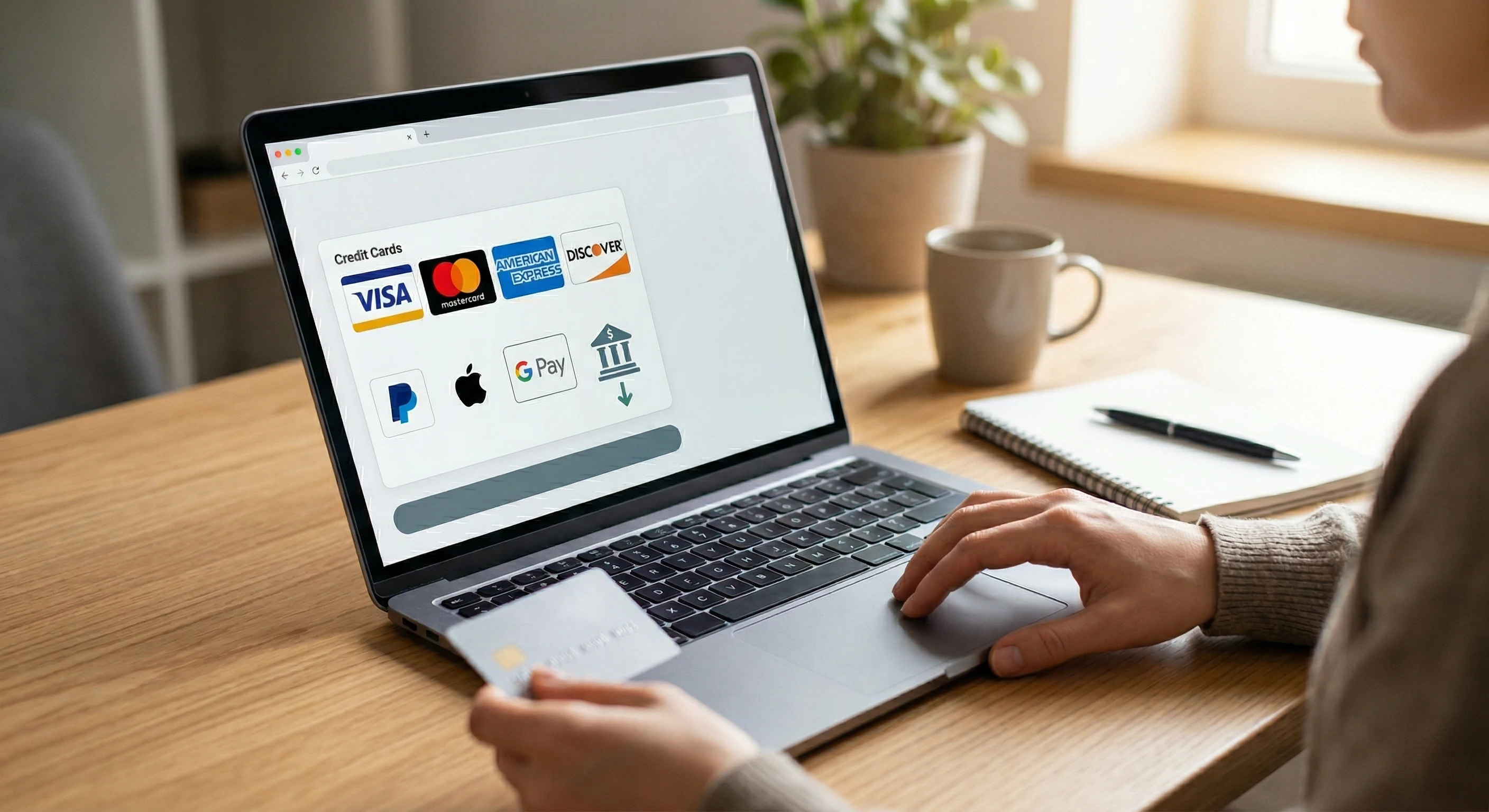
Credit and Debit Cards
Cards remain the most widely used payment method due to their convenience, speed, and universal acceptance.
Key Advantages
- Instant payment confirmation, enabling immediate access to the platform
- Seamless setup for recurring billing and auto-renewals
- Global usability across different countries and currencies
- Minimal manual effort once payment details are saved
Cards are especially useful for businesses looking for a straightforward and reliable subscription experience.
Digital Wallets
Digital wallets offer a faster and more streamlined alternative to traditional card payments.
Why Users Prefer Them
- Eliminates the need to repeatedly enter payment details
- Provides faster checkout with fewer steps
- Adds an extra layer of security by masking card information
- Ideal for freelancers and remote professionals who prioritize convenience
These wallets are becoming increasingly popular as they combine speed, ease of use, and enhanced security.
Bank Transfers (Wire/ACH Payments)
Bank transfers are typically used by larger organizations that require structured payment processes.
Best Use Cases
- High-value transactions such as annual subscriptions
- Businesses that rely on formal invoicing and documentation
- Organizations with multi-level approval systems
- Payments that need to align with accounting and compliance requirements
Although slower, bank transfers provide a high level of reliability and are often preferred for enterprise-level transactions.
Online Payment Gateways
Payment gateways act as the backbone of modern payment systems in SaaS platforms.
Key Benefits
- Support multiple payment methods within a single system
- Enable transactions in different currencies for global users
- Automate recurring billing and invoicing processes
- Ensure secure and compliant payment handling
By integrating with payment gateways, time tracking software can deliver a seamless and scalable payment experience.
Are There Region-Specific Payment Methods Available?
Yes, many platforms now prioritize localization by supporting region-specific payment methods.
Examples of Regional Payment Options
- UPI for fast and convenient payments in India
- SEPA transfers for standardized payments across Europe
- Local digital wallets tailored to specific countries
Why Localization Matters
- Makes payments more accessible for users in different regions
- Reduces friction caused by unfamiliar payment systems
- Improves user trust by offering familiar options
- Supports global expansion for software providers
Localization ensures that users can pay using methods they are comfortable with, improving overall adoption and satisfaction.
How Do Subscription Billing and Auto-Payment Features Work?
Subscription billing is a core part of most time tracking software, allowing users to access services on a recurring basis.
How It Works
- Users select a plan based on their needs
- A payment method is linked during signup
- Payments are automatically processed at each billing cycle
Key Features
- Auto-renewal to ensure uninterrupted access
- Payment reminders to notify users before billing
- Retry mechanisms to handle failed transactions
- Automated invoices for easy record-keeping
These features reduce manual effort and ensure that users can continue using the platform without disruptions.
How Secure Are Payment Methods in Time Tracking Software?
Security is a top priority when dealing with financial transactions, and time tracking platforms implement multiple layers of protection.
Security Measures Used
- End-to-end encryption for all transactions
- Compliance with industry standards like PCI-DSS
- Secure authentication and fraud detection systems
Why Security Matters
- Protects sensitive financial and personal data
- Prevents unauthorized transactions
- Builds long-term trust with users
- Ensures safe and reliable recurring payments
A secure payment system not only protects users but also strengthens the credibility of the software.
How Do Payment Preferences Differ Across User Types?
Payment preferences are not one-size-fits-all. Different user groups interact with time tracking software in unique ways, and their expectations from payment systems vary based on scale, usage, and operational complexity.
Understanding these differences helps ensure a smoother billing experience and better user satisfaction across all segments.
Freelancers and Individuals
Freelancers prioritize speed, convenience, and minimal effort when choosing payment methods.
Since they typically manage their own subscriptions, they prefer options that allow quick activation and uninterrupted access without complex steps.
Common Preferences
- Digital wallets for fast, hassle-free transactions without lengthy verification
- Cards for easy subscription renewals and automated payments
- Minimal setup requirements with instant platform access
Small and Medium Businesses
Small and medium businesses require payment systems that offer both flexibility and control.
With multiple users and evolving needs, they rely on solutions that simplify billing while supporting business growth.
Typical Needs
- Easy access to billing details and downloadable invoices for accounting
- Support for multiple payment methods to suit different teams
- Cost-effective plans that can scale as the business expands
Enterprises
Enterprises focus on structured, secure, and well-documented payment processes. Their payment preferences are driven by compliance requirements, financial accuracy, and integration with internal systems.
Preferred Options
- Bank transfers for secure, high-value transactions
- Invoice-based billing systems aligned with procurement workflows
- Custom payment agreements based on organizational requirements
- Integration with internal financial and ERP systems for streamlined operations
What Challenges Are Associated with Payment Methods in Time Tracking Tools?
Despite advancements, certain challenges can still impact the payment experience and that are:
Common Challenges
- Currency conversion fees for international transactions: Global users often face additional charges when paying in different currencies, increasing overall costs and creating inconsistencies in pricing.
- Payment failures due to expired or declined cards: Subscription interruptions can occur when cards expire or transactions are declined, leading to unexpected service disruptions.
- Limited availability of local payment methods: Not all platforms support region-specific payment options, which can make it difficult for users in certain locations to complete transactions.
- Complex compliance and tax regulations: Managing different tax rules, invoicing standards, and compliance requirements across countries can complicate the billing process for businesses.
Impact on Businesses
- Disruption in service access: Failed or delayed payments can temporarily restrict access to the software, affecting daily operations.
- Delays in workflow and operations: Payment-related issues can slow down team activities, especially when access to essential tools is interrupted.
- Increased administrative effort: Teams may need to spend additional time resolving billing issues, tracking payments, and ensuring compliance.
- Reduced overall user satisfaction: A complicated or unreliable payment experience can negatively impact user trust and long-term retention.
How Can You Choose the Right Payment Method?
Choosing the right payment method requires evaluating both operational needs and user convenience.
Key Factors to Consider
- Availability of payment options in your region: Make sure the platform supports payment methods that are accessible in your location. Limited regional support can create unnecessary barriers during transactions. Choosing a tool with localized options improves convenience and accessibility.
- Transaction speed and processing time: Fast payment processing ensures uninterrupted access to the software. Delays in processing can lead to temporary service disruptions. This is especially important for subscription-based time tracking software.
- Associated costs such as fees and taxes: Always consider additional charges like transaction fees, currency conversion costs, and regional taxes. These can increase the overall subscription cost significantly. Understanding these costs helps in better financial planning.
- Security and reliability of the payment system: A secure payment system protects sensitive financial data from threats. Reliable gateways also reduce the chances of transaction failures. This builds trust and ensures smooth, consistent payments.
Best Practices
- Opt for methods that support recurring billing: Recurring billing helps automate payments and avoids manual renewals. This ensures uninterrupted access to the platform. It is especially useful for long-term users and businesses.
- Ensure compatibility with your preferred currency: Paying in your preferred currency reduces conversion fees and simplifies accounting. It also helps maintain clarity in pricing and billing. This is crucial for international users.
- Choose secure and widely trusted payment options: Trusted payment methods offer better protection and reliability. They reduce risks related to fraud or failed transactions. This improves overall confidence in the system.
- Test the payment process before committing long-term: Trying the payment flow beforehand helps identify potential issues. It ensures the process is smooth and reliable. This step can prevent future disruptions and unexpected problems.
Final Thoughts
Payment methods are a foundational aspect of the user experience in time tracking software.
They influence how easily users can get started, how smoothly subscriptions run, and how confidently businesses can rely on the platform.
By offering a mix of flexible, secure, and globally accessible payment options, time tracking tools enable users to operate without interruptions.
Choosing the right payment setup not only improves convenience but also ensures long-term efficiency and scalability for growing teams.
FAQs
1What payment methods are commonly supported?
2Can I use local payment methods like UPI?
3Are payments automatically renewed?
4Are payment methods secure?
5Which payment method is best for businesses?
6What happens if a payment fails?
7Can I switch my payment method later?
8Do payment methods affect subscription pricing?
Meet The Author